




Table of contents
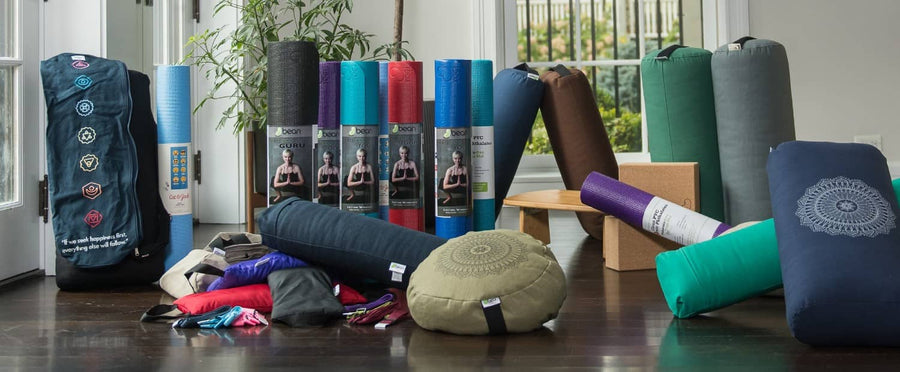
A meditation bench and a zafu cushion both support comfortable meditation. A meditation bench is best for kneeling positions. A zafu cushion is designed for cross-legged sitting. The right choice depends on your flexibility, comfort, and preferred meditation style. A set of 2 yoga blocks can also prop your knees or raise your seat slightly while hips open up, and some practitioners keep yoga bolster alternatives nearby for reclined breathing or thigh support during longer sits.
What Is a Meditation Bench?

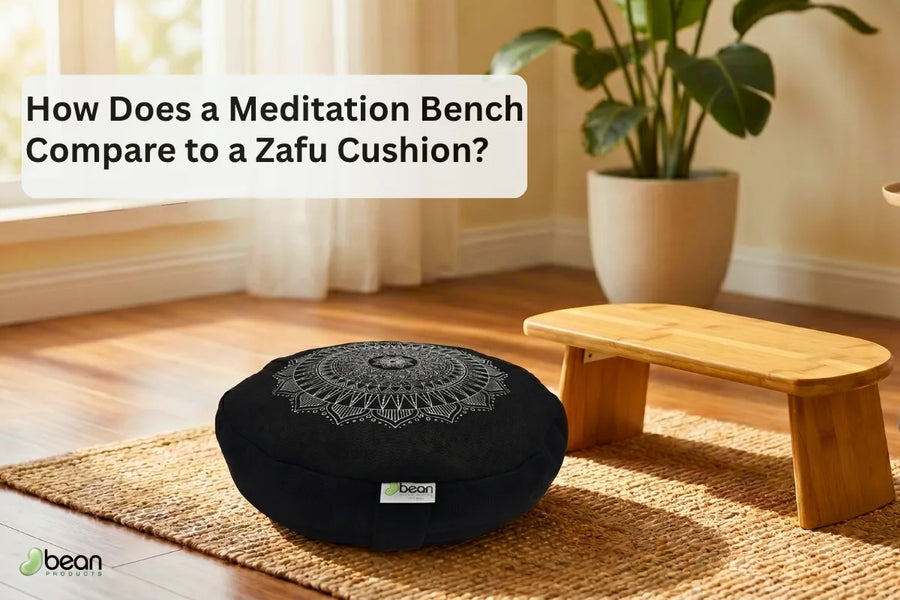
A meditation bench is a small seat used during kneeling meditation. It supports your body while you sit in the Seiza position. The bench helps reduce pressure on your knees, ankles, and lower legs.
Many meditation benches have slightly angled legs. This design encourages a natural sitting posture. It also helps keep your spine upright with less effort.
Benefits of a Meditation Bench
- Supports the Seiza meditation position.
- Reduces pressure on your knees.
- Helps keep your spine upright.
- Supports longer meditation sessions.
- Provides a stable sitting position.
- Works well on hard floors with a zabuton.
A meditation bench is a good option if cross-legged sitting feels uncomfortable.
What Is a Zafu Meditation Cushion?

A zafu meditation cushion is a firm cushion designed for seated meditation. It raises your hips above your knees. This creates a more comfortable sitting position. It also supports better posture during meditation.
Most people use a zafu for cross-legged meditation. It works well with Easy Pose, Burmese Position, and other traditional seated positions.
Benefits of a Zafu Cushion
- Supports cross-legged meditation.
- Helps improve sitting posture.
- Opens the hips naturally.
- Reduces lower back strain.
- Lightweight and easy to move.
- Pairs well with a zabuton mat.
Related Read: How a Zafu Meditation Cushion Improves Your Practice
Meditation Bench vs Zafu Cushion
Both products improve meditation comfort. However, they support different sitting positions. Comparing their features makes choosing easier.
|
Feature |
Meditation Bench |
Zafu Cushion |
|
Sitting Style |
Kneeling |
Cross-legged |
|
Main Support |
Knees and hips |
Hips and pelvis |
|
Portability |
Good |
Excellent |
|
Flexibility Needed |
Low |
Moderate |
|
Beginner Friendly |
Yes |
Yes |
|
Best For |
Seiza meditation |
Floor meditation |
Sitting Position
The biggest difference is how you sit.
- A meditation bench supports kneeling.
- A zafu supports cross-legged positions.
- Choose the one matching your preferred posture.
Comfort
Comfort depends on your body.
- Tight hips may favor a meditation bench.
- Flexible hips often work well with a zafu.
- The right choice feels stable and relaxed.
Portability
Both are easy to move.
- A zafu is lightweight.
- Many benches remain easy to carry.
- Both work well at home or while traveling.
Learning Curve
Neither product is difficult to use.
- Beginners often adapt quickly.
- Personal comfort matters most.
- Try different options when possible.
When Is a Meditation Bench the Better Choice?

A meditation bench suits many meditators. It is especially helpful for kneeling meditation.
If Cross-Legged Sitting Feels Uncomfortable
Not everyone enjoys sitting cross-legged.
- A bench offers another comfortable option.
- It reduces hip strain.
- Many beginners prefer kneeling.
If You Have Tight Hips
Limited flexibility can affect comfort.
- A bench needs less hip flexibility.
- It supports a natural sitting position.
- It reduces unnecessary strain.
If You Prefer Kneeling Meditation
Some people naturally prefer kneeling.
- A bench supports the Seiza position.
- It creates a stable base.
- It encourages better posture.
If You Want Less Pressure on Your Lower Body
A bench changes how your weight is supported.
- It reduces pressure on your ankles.
- It eases stress on your lower legs.
- A zabuton adds even more comfort.
Related Read: Why Use a Zabuton Mat Under Your Meditation Cushion?
When Is a Zafu Cushion the Better Choice?

A zafu remains the traditional choice for seated meditation. It works well for many meditation styles.
If You Prefer Cross-Legged Meditation
A zafu is designed for this position.
- Supports Easy Pose.
- Supports Burmese Position.
- Encourages natural posture.
If You Want Adjustable Sitting Height
Many zafus have adjustable filling.
- Customize the cushion height.
- Adjust firmness easily.
- Improve long-session comfort.
Related Read: Buckwheat vs Kapok: Which Zafu Fill Is Right for You?
If You Like Traditional Meditation Positions
Many meditation traditions use a zafu.
- Supports classic seated postures.
- Helps maintain stability.
- Works well for daily practice.
If You Want a Lightweight Meditation Seat
A zafu is easy to carry.
- Lightweight for travel.
- Simple to store.
- Easy to move between rooms.
- Convenient for everyday meditation.
Neither option is better for everyone. The best choice is the one that helps you meditate comfortably and consistently.
Can You Use a Meditation Bench and a Zabuton Together?

Yes. Many meditators pair a meditation bench with a zabuton. The bench supports your sitting position. The zabuton cushions the floor beneath you.
Why They Work Well Together
- Adds padding beneath your knees.
- Cushions your ankles and feet.
- Makes hard floors feel softer.
- Helps reduce pressure during long sessions.
- Creates a more comfortable meditation setup.
Many beginners notice the difference on wood and tile floors.
Which Option Is Better for Beginners?
There is no single answer. The best choice depends on how your body feels during meditation. Use this guide to decide.
|
If You... |
Consider... |
|
Enjoy kneeling |
Meditation Bench |
|
Prefer sitting cross-legged |
Zafu Cushion |
|
Practice on hard floors |
Add a Zabuton |
|
Travel often |
Lightweight Zafu |
|
Want extra knee cushioning |
Bench with Zabuton |
Your first choice does not have to be permanent. Many meditators try different options as their practice grows.
Related Read: Which Seated Meditation Position Works Best for Beginners?
Common Mistakes When Choosing Between a Bench and a Zafu

Buying the right meditation seat becomes easier when you avoid these common mistakes.
Buying Without Considering Your Meditation Style
Different meditation styles use different sitting positions.
- Match your seat to your preferred posture.
- Think about how you meditate most often.
- Choose function before appearance.
Forgetting Your Meditation Space
Your surroundings affect comfort.
- Hard floors need more cushioning.
- Small spaces benefit from compact designs.
- Travel may require lightweight equipment.
Focusing Only on Price
A quality seat often lasts much longer.
- Durable materials provide better value.
- Good construction resists everyday wear.
- Comfort matters more than saving a little money.
Ignoring Product Materials
The materials affect both comfort and durability.
- Look for natural fabrics.
- Choose quality filling materials.
- Pick products made for regular use.
Related Read: How to Choose an Eco-Friendly Meditation Cushion Cover
How to Choose the Right Meditation Seat
Instead of asking which product is better, ask which one fits your practice. These questions can help you decide.
How Do You Usually Sit?
Your natural sitting position is a good starting point.
- Cross-legged meditators often prefer a zafu.
- Kneeling meditators often choose a bench.
How Long Are Your Meditation Sessions?
Session length affects comfort.
- Short sessions need simple support.
- Longer sessions benefit from extra cushioning.
- A zabuton can improve either setup.
Will Your Practice Grow?
Choose products that fit your future needs.
- Daily practice needs durable materials.
- Adjustable products offer more flexibility.
- Quality products provide long-term value.
Do You Need a Complete Meditation Setup?
Many meditators combine different products. A zafu supports your hips. A bench supports kneeling meditation. A zabuton cushions your knees and feet. Together, they create a comfortable meditation space for different practices.
Meditation Bench or Zafu Cushion: Which Should You Choose?
Both options can improve your meditation experience. The best choice is the one that helps you sit comfortably and practice consistently.
Some people prefer a meditation bench from the beginning. Others enjoy the traditional feel of a zafu. Many experienced meditators keep both and choose the one that fits each session.
Explore our meditation collection to compare thoughtfully prepared zafu cushions, meditation benches, zabutons, and natural accessories. Finding the right combination can make every meditation session more comfortable and enjoyable.
Find the perfect Meditation Bench or Zafu Cushion for your practice!

People Also Ask (FAQs)
Can I alternate between a meditation bench and a zafu?
Yes. Many meditators switch between them based on comfort or meditation style.
Which option takes up less storage space?
A zafu cushion usually requires less storage space than a meditation bench.
Do I need a zabuton with a meditation bench?
It is optional, but many people use one for extra cushioning on hard floors.
Which option is easier to travel with?
A lightweight zafu is usually easier to carry and pack for travel.
Can I use a meditation bench for mindfulness practice?
Yes. A meditation bench works well for mindfulness, breathing exercises, and silent meditation.
Should I buy a bench or a zafu first?
Start with the option that matches your preferred sitting position. You can always add the other later.


