



Table of contents
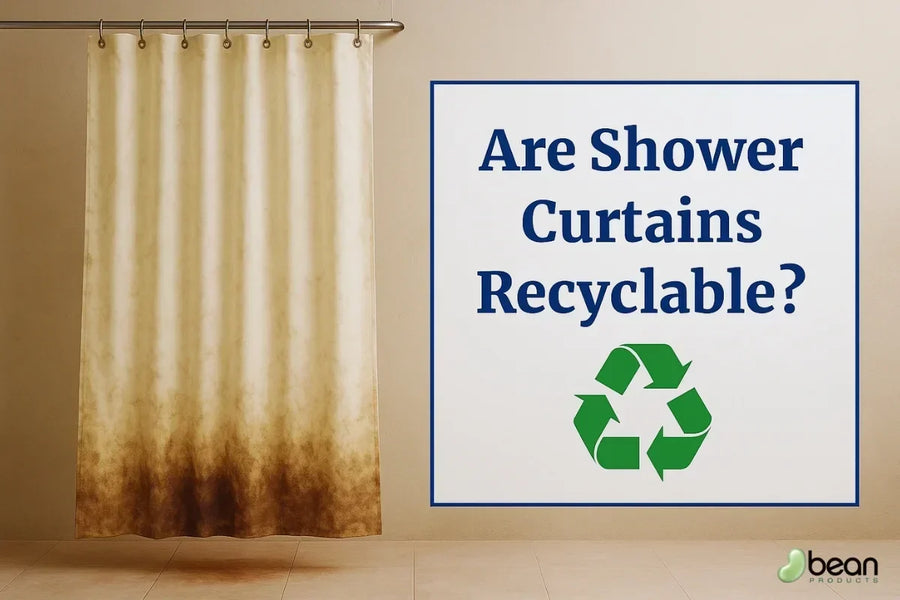
Some shower curtains are recyclable. Some are not. It depends on the material. Plastic curtains are hard to recycle. Natural fabric curtains are much easier. This guide explains how to handle each type.
What Shower Curtains Are Made Of
Shower curtains come in several materials. PVC is the most common plastic. PEVA is a safer plastic option. Cotton uses soft plant fibers. Organic cotton comes from clean farming. Hemp and linen also use strong plant fibers. Natural fibers are easier to recycle than plastic and feel nicer to the touch in daily use.
Shower Curtain Materials and Recyclability
|
Material |
Recyclable |
Reason |
Best Disposal Method |
|
PVC |
No |
Mixed plastic with chemicals |
Trash or reuse |
|
PEVA |
Limited |
Safer, but few centers accept |
Check local rules |
|
Cotton |
Yes |
Natural fiber |
Textile recycling |
|
Organic Cotton |
Yes |
Pure plant fiber |
Textile recycling |
|
Hemp |
Yes |
Strong natural fiber |
Textile recycling |
|
Linen |
Yes |
Plant based |
Textile recycling |
How to Recycle Shower Curtains the Right Way
Start by checking the material tag. If the tag is missing, feel the surface. Plastic feels smooth and shiny. Fabric feels soft and warm. Clean the curtain before recycling. A quick wash removes dirt and soap. Then check your local recycling rules. Many textile centers accept cotton, hemp, and linen. Most places reject PVC. Some may accept PEVA, but always confirm first.
A small list can help when sorting:
- Natural fabrics go to textile recycling
- PVC goes in the trash or the reuse pile
- PEVA needs local rule confirmation
When You Should Replace a Shower Curtain
A shower curtain should be replaced when it no longer stays clean, dry, or safe to use. A curtain that remains damp or shows clear damage will not protect your bathroom well. Knowing these signs helps you choose the right time to replace it.

Clear Signs You Need a New Shower Curtain
- Mold spots show up as dark marks. This means the curtain holds moisture. Mold spreads fast and is not safe for daily use.
- A strong smell means trapped water and germs. A fresh curtain should not smell.
- Tears or holes show the curtain is worn. Small tears let water leak outside the shower.
- Slow drying means the curtain holds bacteria. A curtain should dry quickly.
- Thick soap buildup creates a sticky layer. This layer is hard to clean, making the curtain heavy.
How Long a Shower Curtain Should Last
Natural fabric curtains usually last longer. They dry faster and stay clean with simple care. A gentle wash keeps them fresh. Good airflow helps them dry after each shower. Replace the curtain when these signs appear. This keeps your bathroom safe, clean, and easy to maintain.
What to Do With Old Shower Curtains
Old curtains still have value. You can use them in simple ways. Many people turn old curtains into drop cloths. They work well for painting or cleaning. You can also cut them into shelf liners. Plastic curtains make great outdoor covers. Fabric curtains can be reused in craft projects. Upcycling saves money and reduces waste.
Why Natural Fiber Curtains Help With Recycling and Home Safety
Natural fibers do not release harsh smells. They feel soft and safe in daily use. They are easy to wash and dry. A white cotton shower curtain stays bright and fresh with just a gentle cycle. They last longer than plastic curtains. They break down faster in nature. They fit well in low-waste homes and help reduce long-term pollution.
Final Summary
Some shower curtains are recyclable. Natural fabric curtains are the easiest to recycle. Plastic curtains are much harder to handle. Natural options support a clean, safe, and low-waste home.
You can explore shower curtains made from cotton, organic cotton, hemp, and linen from our collection. These options are safer and easier to recycle. They offer a simple upgrade for any home.

People Also Ask (FAQs)
1. How often should I clean a shower curtain?
Clean it every two to three weeks. This keeps it fresh and helps prevent buildup.
2. Can fabric shower curtains go in a washing machine?
Yes. Most fabric curtains wash well on a gentle cycle. Always air-dry them afterward.
3. What is the safest type of shower curtain for daily use?
Natural fabric curtains are the safest. They do not release plastic smells and stay clean longer.
4. Do shower liners need recycling too?
Some liners can be recycled, but many cannot. Check the material type before you discard it.
5. How can I reduce waste from shower curtains?
Choose long-lasting natural fabrics, clean them often, and reuse old curtains for home tasks.
6. Can a plastic curtain be reused after it stains?
Yes. You can cut it for mats, covers, or craft use. This keeps it out of the trash.


