



Table of contents
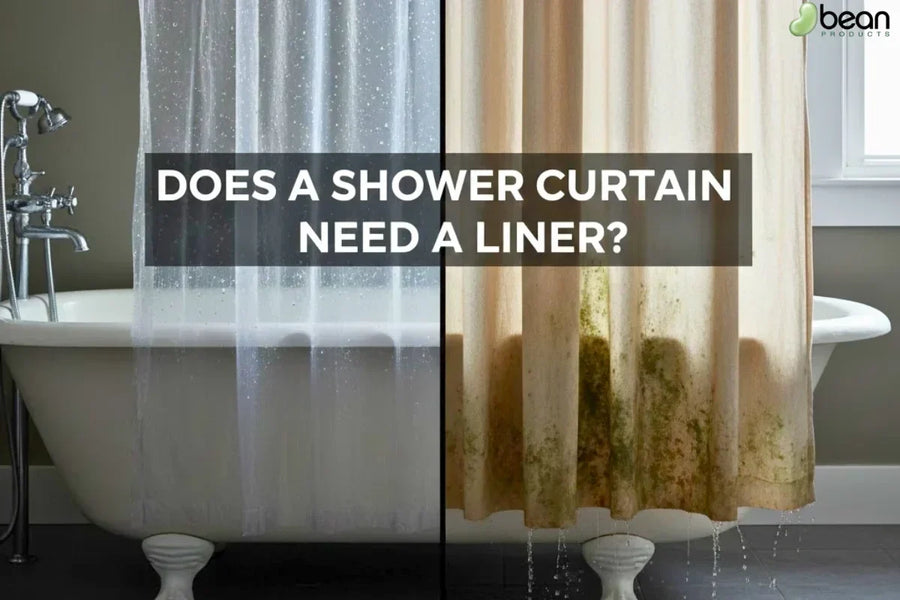
A shower curtain does not always need a liner. Some curtains work fine alone. Some curtains need a liner for better protection. The right choice depends on your curtain material and daily use. Many people use a liner to keep water inside the shower.
What Does a Shower Curtain Liner Actually Do?
A liner blocks water from escaping the shower area. It protects your outer curtain from stains. It also reduces mold buildup on fabric curtains. A liner helps your bathroom stay cleaner for longer. Many homes use one for simple daily care.
When Do You Need a Liner and When Can You Skip It?
You Need a Liner When:
- Your curtain is thin and absorbs water easily.
- You want stronger splash control during long showers.
- You have kids who splash water often.
- You want your curtain to stay clean longer.
You Can Skip a Liner When:
- Your curtain is made from thick natural fabric.
- Your shower pressure is low or moderate.
- You prefer a clean, simple, minimal look.
- You want fewer items to wash each month.
A liner is not required for every bathroom. It depends on comfort, style, and water habits.
Do Fabric Shower Curtains Need a Liner?
Organic Cotton Shower Curtains
Organic cotton absorbs water slowly. It dries well with good airflow. Some people skip liners, but liners keep cotton cleaner. A liner also reduces washing and extends the life of cotton curtains.
Hemp Shower Curtains
Hemp is naturally resistant to mold. It dries faster than many fabrics. Many users do not need a liner with hemp. Hemp stays strong even with regular moisture exposure.
Linen Shower Curtains
Linen dries quickly and feels breathable. It handles moisture better than cotton. A liner is optional but helpful for heavy water use. Linen also holds its shape well after repeated drying.
How a Liner Helps Keep Your Bathroom Clean
A shower liner does more than block water. It keeps your bathroom safer, cleaner, and easier to maintain. Here's how it helps:
- It keeps water inside the tub, which protects your floors from slips and damage.
- It reduces water spots and prevents soap scum from building up on your main curtain.
- It slows mold and mildew growth by creating a cleaner barrier in damp areas.
- It helps your curtain last longer by keeping it dry and cleaner.
- It speeds up weekly cleaning since you only wipe the liner, not the entire curtain.
- It gives your shower a cleaner, fresher look with less effort.
A simple liner can make your whole bathroom feel tidier with very little maintenance.
What Types of Shower Curtain Liners Are Best?
Liner Material Comparison
|
Liner Type |
Best For |
Key Benefit |
Care Level |
|
PEVA |
Daily use |
Light, waterproof |
Easy |
|
Fabric Liner |
Natural curtains |
Washable and soft |
Moderate |
|
Recycled Plastic |
Eco-conscious homes |
Durable and safe |
Easy |
Choose a liner based on comfort, care time, and bathroom style.
How to Choose the Right Liner for Your Shower Curtain
Check These Points Before Buying:
- Length: It should end just above the tub or floor.
- Material: Pick waterproof for strong protection.
- Thickness: Thicker liners move less during showers.
- Care Needs: Some liners wash easily, some only wipe clean.
A good liner protects your curtain and reduces cleaning work.
How to Maintain a Shower Curtain Without a Liner
A fabric curtain can stay clean without a liner when you follow simple habits. These steps prevent water stains, soap buildup, and mold. They also help the fabric dry faster and last longer.
Easy Care Tips for Liner-Free Curtains
- Wash your curtains more often to remove daily moisture and soap marks.
- Shake off extra water after each shower for quicker drying.
- Keep the bathroom ventilated to reduce the risk of damp air and mildew.
- Wipe the bottom edge weekly to stop early buildup.
- Spread the curtain fully open after each use for better airflow.
- Use a gentle detergent to protect natural fabric fibers.
- Avoid strong bleach because it weakens fabric over time.
- Check the hooks and rings to ensure smooth sliding and less stress on the fabric.
Why These Steps Matter
These steps prevent moisture from constantly accumulating on the curtain. They also reduce early fabric wear and slow mold growth. Natural fabrics respond well to simple care practices and stay fresher longer. An unlined cotton shower curtain works on its own if you spread it out after each shower — the duck canvas weave stops spray without a plastic layer behind it.
When Should You Replace a Shower Curtain Liner?
Replace your liner if it turns yellow. Replace it if mold spreads quickly. Replace it when it feels sticky or stiff. Old liners are no longer blocking the water well. Fresh liners reduce bathroom odors. They also keep your curtain cleaner and safer.
Upgrade to Organic and Eco-Friendly Shower Curtains
Want a cleaner and healthier shower setup? Try natural curtains made from organic cotton, hemp, or linen. These fabrics feel soft and dry quickly. They work well with or without liners. Check our Organic Cotton Shower Curtain, Cotton Shower Curtain, Hemp Shower Curtain, Linen Shower Curtain, and smooth Roller Rings for better daily use.
Shop Now Eco-Friendly Shower Curtains!

People Also Ask (FAQs)
1. Do I really need a shower curtain liner?
Yes. It helps keep water off your floors and protects your curtain.
2. How often should I replace a shower curtain liner?
Every 6–12 months, depending on wear and cleaning habits.
3. Can I wash a plastic shower curtain liner?
Yes. Most plastic liners can be wiped clean or washed on a gentle cycle.
4. Does a liner help prevent mold?
Yes. It makes a barrier that prevents moisture from reaching the curtain.
5. Are fabric liners better than plastic liners?
Fabric liners dry faster and look nicer, but both work well.


