
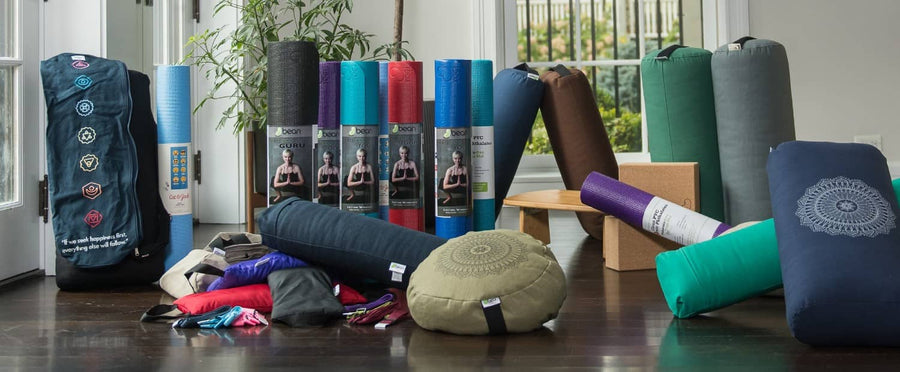
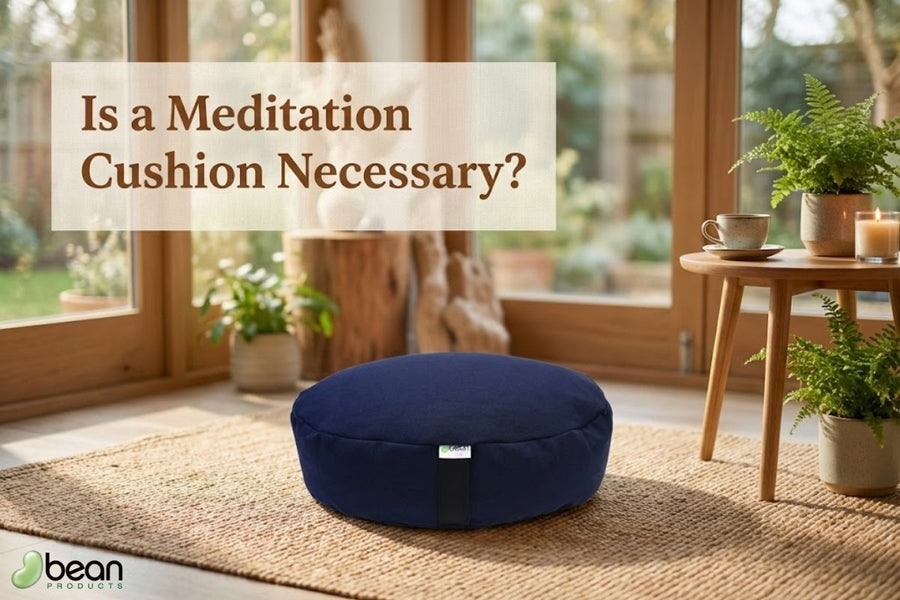
The right meditation cushion supports your posture and keeps you comfortable. Choose one based on your sitting position and flexibility. Consider the cushion's height, shape, and filling. Think about your meditation session length. Extra knee support may also help. A removable, washable cover adds convenience. The best cushion helps you sit longer with less discomfort.
Meditation Cushion Selection Guide
|
If You... |
Best Choice |
Why |
|
Sit cross-legged comfortably |
Round Zafu |
Supports balanced posture and raises the hips |
|
Need extra leg support |
Crescent Zafu |
Gives more room for your thighs and knees |
|
Feel knee or ankle pressure |
Zafu and Zabuton |
Adds comfort on hard floors |
|
Have limited hip flexibility |
Taller Zafu |
Reduces strain and improves sitting posture |
|
Prefer kneeling |
Meditation Bench |
Keeps the spine in a natural position |
|
Meditate for longer sessions |
Zafu and Zabuton Set |
Provides complete comfort and support |
What Is a Meditation Cushion?

A meditation cushion raises your hips above your knees. This creates a more natural sitting position. Better posture makes meditation more comfortable. It also helps reduce body tension.
Regular pillows often compress too much. They lose their shape during longer sessions. Meditation cushions stay firm and supportive. They help keep your spine aligned.
A good meditation cushion also reduces pressure on your hips. Your knees and ankles feel less strain. This makes it easier to stay still. You can focus more on your breathing and practice.
Many meditation cushions use natural fillings. Buckwheat hulls remain a popular choice. They shape around your body. They also provide stable support without feeling hard.
Meditation cushions come in different styles. Some support cross-legged positions. Others work better for kneeling meditation. Choosing the right style improves your overall experience.
A quality meditation cushion supports both beginners and experienced practitioners. It encourages better posture every day. Better comfort often leads to a more consistent meditation routine.
Why Does Choosing the Right Meditation Cushion Matter?

The right cushion does more than improve comfort. It supports healthy posture and steady meditation. A poor cushion can create discomfort quickly. That discomfort often breaks your focus.
Your body should feel supported during every session. Good support allows your mind to relax. You spend less time adjusting your position. You spend more time meditating.
Better Spinal Alignment
A supportive meditation cushion helps maintain a healthy sitting posture.
Benefits include:
- Raises your hips above your knees.
- Encourages a natural spinal curve.
- Reduces slouching during meditation.
- Decreases strain on your lower back.
- Makes longer sitting sessions more comfortable.
- Helps maintain proper posture with less effort.
Good spinal alignment allows your muscles to relax. It also helps you focus on meditation instead of discomfort.
Reduced Pressure on Knees and Ankles
Hard floors can place stress on your joints. Proper cushioning protects sensitive areas.
A quality meditation cushion helps by:
- Reducing pressure on your knees.
- Cushioning your ankles and feet.
- Supporting your hips evenly.
- Improving comfort on hard surfaces.
- Making longer meditation sessions easier.
A Zafu paired with a Zabuton provides complete lower-body support. This combination improves comfort for daily practice.
Longer Comfortable Meditation Sessions
Comfort directly affects your meditation experience. Less discomfort means fewer distractions.
The right cushion helps you:
- Stay seated longer.
- Reduce frequent posture adjustments.
- Maintain a steady meditation position.
- Build a consistent meditation routine.
- Enjoy longer mindfulness sessions.
Comfortable seating makes regular meditation easier. Daily practice often becomes more enjoyable.
Improved Breathing
Your posture influences how you breathe. An upright position allows your lungs to expand naturally.
Proper support can:
- Encourage deeper breathing.
- Improve airflow during meditation.
- Help your chest open naturally.
- Support relaxation.
- Enhance mindfulness practice.
Comfortable posture allows breathing to feel smooth and effortless.
Better Concentration
Physical discomfort often interrupts meditation. A supportive cushion removes many common distractions.
Better support helps you:
- Stay focused on your breathing.
- Reduce body aches during meditation.
- Minimize unnecessary movement.
- Improve mindfulness.
- Develop a more consistent meditation habit.
When your body feels comfortable, your attention stays on your practice. That leads to a calmer and more focused meditation experience.
What Types of Meditation Cushions Are Available?
Different meditation cushions support different sitting styles. Your flexibility and posture also matter. Understanding each option helps you choose wisely.
Round Zafu
The round Zafu remains a classic meditation cushion. It supports many traditional sitting positions. Its round shape lifts your hips comfortably. This helps improve spinal alignment. Your knees naturally move closer to the floor.
Many beginners choose a round Zafu first. Experienced meditators also enjoy its balanced support.
A round Zafu works well for:
- Cross-legged meditation
- Burmese position
- Half Lotus
- Full Lotus
- Daily mindfulness practice
People with good hip flexibility often enjoy this design. It offers firm and reliable support.
If you want help comparing shapes, read our guide on Round vs Crescent Zafu: Which Shape Supports Your Body Better?
Crescent Zafu
A crescent Zafu has curved sides. The shape creates extra space for your legs. Many people find this design more comfortable. It allows the thighs to rest naturally. Hip tension may also decrease.
The curved shape supports several meditation positions. It works especially well for people with tighter hips.
A crescent Zafu suits:
- Beginners
- People with limited flexibility
- Cross-legged meditation
- Longer meditation sessions
Many users appreciate its ergonomic design. It offers support without restricting movement.
If you are unsure about cushion height, see Which Zafu Size Do You Need Based on Height and Flexibility?
Zabuton Cushion
A Zabuton is a large floor cushion. You place it under your meditation cushion. It cushions your knees, ankles, and feet. Hard floors feel much more comfortable. Many meditators use a Zafu with a Zabuton. Together, they create a complete meditation seat.
A Zabuton helps:
- Reduce joint pressure
- Protect knees and ankles
- Increase comfort
- Support longer sessions
It benefits beginners and experienced meditators alike. It is especially helpful on wood or tile floors.
Meditation Bench
A meditation bench supports kneeling meditation. This position is also called Seiza. The bench reduces pressure on your hips. It also supports a natural spine position.
Many people choose a meditation bench because of concerns about flexibility. Others simply prefer kneeling over sitting cross-legged.
A meditation bench works well for:
- Seiza meditation
- Limited hip flexibility
- Longer sessions
- People seeking upright posture
Many practitioners find benches easier after knee or hip discomfort.
Learn more in How to Meditate Comfortably with Knee or Back Pain .
Yoga Bolster
A yoga bolster can support seated meditation. Some people already own one. It may work for occasional practice. However, a bolster serves a different purpose. It mainly supports yoga poses and stretching.
Most bolsters are wider and softer. They may not provide stable sitting support. Your posture can become less balanced.
A dedicated meditation cushion usually performs better. It offers firmer support and improved stability. Many models also allow height adjustments.
If you already own a bolster, you can begin with it. You can always upgrade later. A purpose-built meditation cushion often feels more comfortable during regular practice.
Read "Can a Yoga Bolster Replace a Zafu for Meditation Practice?" to learn the differences.
How Does Your Sitting Position Affect Cushion Choice?

Your sitting position plays a big role in comfort. Different postures need different levels of support. The right cushion helps your body stay relaxed. It also supports better posture.
Choosing a cushion that matches your posture reduces strain. You can sit longer with fewer adjustments. Your meditation practice becomes more enjoyable.
Burmese Position
The Burmese position is beginner-friendly. Both legs rest on the floor. Neither foot sits on the opposite thigh. Many people find this posture comfortable. It places less stress on the hips. A round Zafu works well for many users. A crescent Zafu also provides excellent support.
Half Lotus
Half Lotus places one foot on the opposite thigh. The other foot stays beneath the opposite leg. This posture needs good hip flexibility. A supportive cushion makes sitting easier. Many meditators prefer a crescent Zafu. It gives extra space for the legs.
Full Lotus
Full Lotus places both feet on opposite thighs. This position needs excellent flexibility. Many experienced meditators enjoy this posture. It provides a stable meditation seat. A round Zafu often works best. It lifts the hips evenly. This supports a balanced sitting position.
Seiza
Seiza is a kneeling meditation posture. Your legs fold beneath your body. Many people choose Seiza because cross-legged sitting feels difficult.
A meditation bench supports this position well. It reduces pressure on the knees. It also encourages an upright spine. Some people also place a Zabuton underneath. This adds comfort for the lower legs.
Cross-Legged Sitting
Cross-legged sitting remains very popular. Many beginners start with this posture. A Zafu raises your hips comfortably. Your knees move closer to the floor. This creates a more stable position.
Adding a Zabuton improves comfort further. It cushions your knees and ankles during longer sessions. The best posture feels stable and relaxed. You should never force your body into discomfort.
Best Cushion by Meditation Posture
|
Meditation Position |
Recommended Cushion |
Main Benefit |
|
Burmese |
Round or Crescent Zafu |
Comfortable hip support |
|
Half Lotus |
Crescent Zafu |
Extra leg clearance |
|
Full Lotus |
Round Zafu |
Balanced posture |
|
Seiza |
Meditation Bench |
Natural kneeling position |
|
Cross-Legged |
Zafu and Zabuton |
Full-body comfort |
How Do Height and Flexibility Affect Cushion Selection?

Your body shape matters when choosing a meditation cushion. Height and flexibility affect how you sit. The right cushion supports a natural posture.
A cushion that works for someone else may not suit you.
Taller People Often Need More Height
Longer legs create different sitting angles. A low cushion may leave the knees too high. A taller cushion raises the hips more. This improves posture and reduces strain. Many taller meditators feel more comfortable with extra elevation.
Limited Flexibility Needs More Support
Tight hips are common. Many beginners experience this challenge. A higher cushion creates a gentler sitting angle. Your hips can relax more naturally. This also reduces pressure on your lower back.
Flexible Meditators Have More Choices
People with greater flexibility often use lower cushions. Their knees naturally rest closer to the floor. They may choose either a round or crescent Zafu. Personal comfort becomes the deciding factor.
Beginners Should Prioritize Comfort
Many beginners worry about perfect posture. Comfort should come first. A supportive cushion encourages regular practice. Your flexibility often improves over time. Choose a cushion that helps you sit comfortably today.
For more detailed guidance, read Which Zafu Size Do You Need Based on Height and Flexibility?
What Cushion Filling Is Best?

The filling affects comfort, support, and durability. Different materials create different sitting experiences. Understanding each option helps you choose wisely.
Buckwheat Hulls
Buckwheat hulls remain one of the most popular fillings. The hulls move with your body. They create stable support without feeling stiff.
Many cushions allow filling adjustments. You can remove or add hulls. This changes the height and firmness. Buckwheat hulls also allow better airflow. They stay cooler during longer meditation sessions.
Benefits include:
- Excellent support
- Adjustable height
- Long-lasting performance
- Good airflow
- Stable sitting surface
Many experienced meditators prefer buckwheat-filled cushions.
Kapok
Kapok is a soft natural fiber. It creates a lighter cushion. Many people enjoy its softer feel. It weighs less than buckwheat. Kapok cushions usually keep their original shape. However, they offer less adjustment.
Benefits include:
- Lightweight
- Soft comfort
- Natural material
- Easy to carry
Some users prefer softer support during shorter sessions.
Foam
Foam cushions feel soft at first. They are often lightweight and affordable. However, foam may compress with regular use. Support can decrease over time. Most foam cushions cannot be adjusted. Their height stays the same. Foam may work for occasional meditation. Dedicated meditators often prefer firmer support.
Cushion Filling Comparison
|
Filling |
Support |
Adjustability |
Durability |
Breathability |
|
Buckwheat Hulls |
Excellent |
Excellent |
Excellent |
Excellent |
|
Kapok |
Good |
Limited |
Good |
Good |
|
Foam |
Moderate |
None |
Moderate |
Fair |
Should You Buy a Zafu Alone or a Zafu and Zabuton Set?
The best option depends on where and how you meditate. Both choices support proper posture, but they offer different comfort levels.
A Zafu provides firm support by lifting your hips. It works well for shorter sessions or meditation on softer surfaces. Many beginners start with a Zafu before adding other accessories.
A Zabuton is placed beneath the Zafu. It cushions the lower body against hard floors. This added layer helps protect your knees, ankles, and feet from pressure.
Using both together creates a more comfortable meditation setup. Many regular meditators prefer this combination for extended practice.
When a Zafu Is Enough
A Zafu is a practical choice if you:
- Practice for shorter periods.
- Meditate on carpet or padded flooring.
- Want a lightweight seating option.
- Need reliable hip support.
- Prefer a simple meditation setup.
When a Zafu and Zabuton Set Is Better
A complete set is worth considering if you:
- Meditate on hardwood, tile, or concrete floors.
- Sit for 30 minutes or longer.
- Feel pressure in your knees or ankles.
- Want greater stability while sitting.
- Plan to meditate every day.
- Prefer a dedicated meditation space.
A complete set can improve comfort throughout your practice. With fewer physical distractions, it becomes easier to stay relaxed and focused.
Learn more in Which Zafu and Zabuton Set Is Best for Daily Practice?
What Features Should You Look for Before Buying?
Not all meditation cushions offer the same support. Small details can improve comfort and durability. Consider these features before making your choice.
Adjustable Filling
An adjustable cushion fits your changing needs. You can remove or add filling. This changes the cushion's height and firmness.
Many buckwheat-filled cushions offer this feature. It helps create a better sitting position.
Natural Materials
Natural fabrics feel comfortable against your skin. They also allow better airflow. Many people prefer cotton, organic cotton, or hemp covers. These materials feel soft and last longer with proper care.
Removable Washable Cover
Meditation cushions receive regular use. A removable cover makes cleaning much easier. Washable covers help keep your meditation space fresh. They also extend the cushion's lifespan.
Strong Construction
Daily meditation places pressure on your cushion. Durable stitching helps it keep its shape. Quality construction supports long-term use. It also protects the filling from leaking.
Comfortable Carrying Handle
Some cushions include a carrying handle. This makes moving your cushion much easier. A handle also helps if you travel. You can carry your cushion to classes or retreats.
Supportive Filling
The filling affects both comfort and posture. Buckwheat hulls remain a trusted choice. They provide stable and adjustable support.
Choose a filling that matches your comfort preferences. Your meditation style also matters.
The Right Size
A cushion should match your body and sitting posture. The correct size improves balance and comfort.
If you are unsure, start with your flexibility level. Then consider your preferred meditation position.
Common Mistakes When Choosing a Meditation Cushion
Many buyers focus only on appearance. Comfort should always come first. Avoid these common mistakes before buying.
Choosing Style Over Support
A beautiful cushion may not fit your body. Good support matters more than appearance. Choose comfort first. Your meditation practice will benefit.
Buying the Wrong Height
Height affects your posture. A cushion that feels too low may strain your back. A cushion that feels too high may also become uncomfortable. Choose a height that supports relaxed sitting.
Ignoring Your Flexibility
Every body moves differently. Flexible users have different needs than beginners. Select a cushion that matches your current flexibility. You can always adjust later.
Forgetting Knee Support
Many people focus only on hip support. Knee comfort matters just as much. A Zabuton protects your knees and ankles. It also makes hard floors more comfortable.
Using a Regular Pillow
Household pillows flatten quickly. They rarely provide stable support. Meditation cushions are designed for seated practice. They help maintain better posture.
Choosing a Cushion That Is Too Soft
Very soft cushions compress under your weight. This may cause poor posture. A supportive cushion helps your spine stay aligned. It also improves sitting stability.
Build a Comfortable Meditation Space That Lasts
The right meditation cushion supports more than your posture. It supports your daily practice.
Comfort helps you stay present. Good support reduces common sitting discomfort. Better posture encourages longer meditation sessions.
Your ideal cushion depends on your body and habits. Consider your flexibility and preferred sitting position. Think about where you meditate most often. Choose materials that match your comfort needs.
If you want complete meditation support, explore the Bean Products Meditation Collection. You'll find thoughtfully designed Zafus, Zabutons, meditation benches, and complete cushion sets. Many options feature natural materials and adjustable buckwheat filling. They are made for lasting comfort and regular practice.
Shop Now Bean Products Meditation Collection!
People Also Ask (FAQs)
Can a meditation cushion improve posture?
Yes. A meditation cushion helps tilt your pelvis forward. This encourages a more upright and comfortable sitting posture.
How firm should a meditation cushion be?
A meditation cushion should feel firm enough to support your weight. It should not flatten too much during use.
How long does a meditation cushion last?
A quality meditation cushion can last for many years. Lifespan depends on the filling, materials, and how often you use it.
Can I adjust the height of a meditation cushion?
Yes. Many buckwheat-filled cushions let you add or remove hulls. This allows you to customize the height and firmness.
What should I place under a meditation cushion?
A Zabuton is the most common choice. It adds padding under your knees, ankles, and feet for extra comfort.
Is a meditation cushion worth buying?
Yes. A meditation cushion can improve comfort, support better posture, and make regular meditation easier to maintain.
