



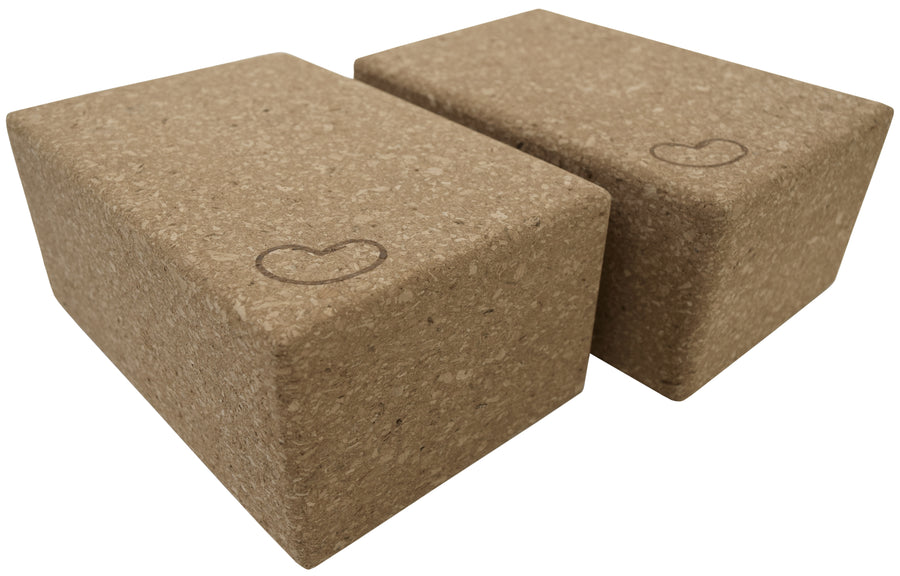


Cork Yoga Block or set - Earth Friendly sturdy cork wood, beveled edges easy grip
- Regular Price
- from $29.99
- Sale Price
- from $29.99
- Regular Price
-
$0.00
- Unit Price
- Translation missing: en.general.accessibility.unit_price_separator
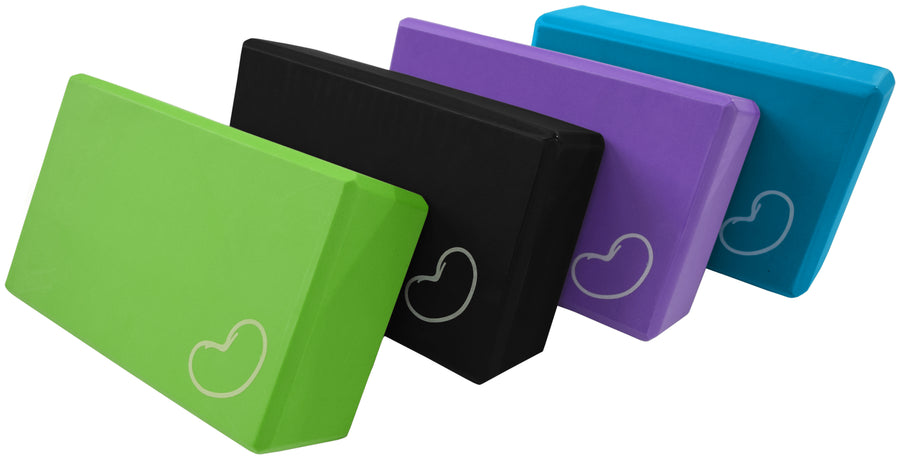
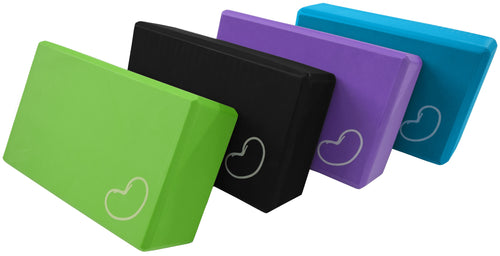

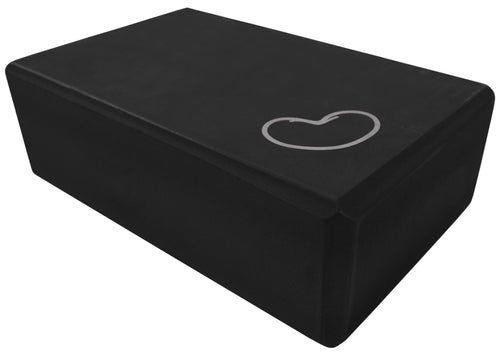
Yoga Block Set - Light weight Foam - 2 Pack
- Regular Price
- $14.95
- Sale Price
- $14.95
- Regular Price
-
- Unit Price
- Translation missing: en.general.accessibility.unit_price_separator
Cork or foam
Cork doesn't compress. Put your full weight on it in a half moon and it stays exactly where it was, and the surface gets grippier when your hands are sweaty rather than slicker. At about 2 pounds each, it's the block for a home practice. Foam weighs a few ounces, easier on the ribs or forehead in restorative poses, and cheaper, which makes it the block for a bag you carry to a studio, and the block for kids. Foam does compress slightly under full body weight, so it's less stable in standing balance poses.
A block is only as steady as the floor under it, so a non-slip yoga mat keeps either one from sliding out from under a hand in half moon.
One block or two
One block gets you through balance poses and most standing work. Two blocks are for seated forward folds (one under each hand), supported bridge (one under the sacrum plus a spare), and any restorative pose where both sides of the body need the same height.
In those longer restorative shapes, blocks usually work alongside bolsters, which take the weight of the torso while the blocks set the height under the hands, sacrum, or head.
Five ways to use a yoga block
- Under the bottom hand in triangle or half moon, when the floor is too far.
- Under the sacrum in supported bridge.
- Between the thighs in chair pose, to keep the legs engaged.
- Under the forehead in child's pose or a seated fold.
- Under the sit bones in seated meditation, if you don't have a cushion.