
Neither shape is better for everyone. A Round Zafu offers balanced support for traditional meditation. A Crescent Zafu provides extra room for your legs. Your flexibility, posture, and sitting style determine the best choice. Both shapes can improve comfort and posture when properly sized.
What Is the Difference Between a Round and Crescent Zafu?

Round and Crescent Zafus share the same purpose. Both support healthy posture during meditation. Their shapes create different sitting experiences.
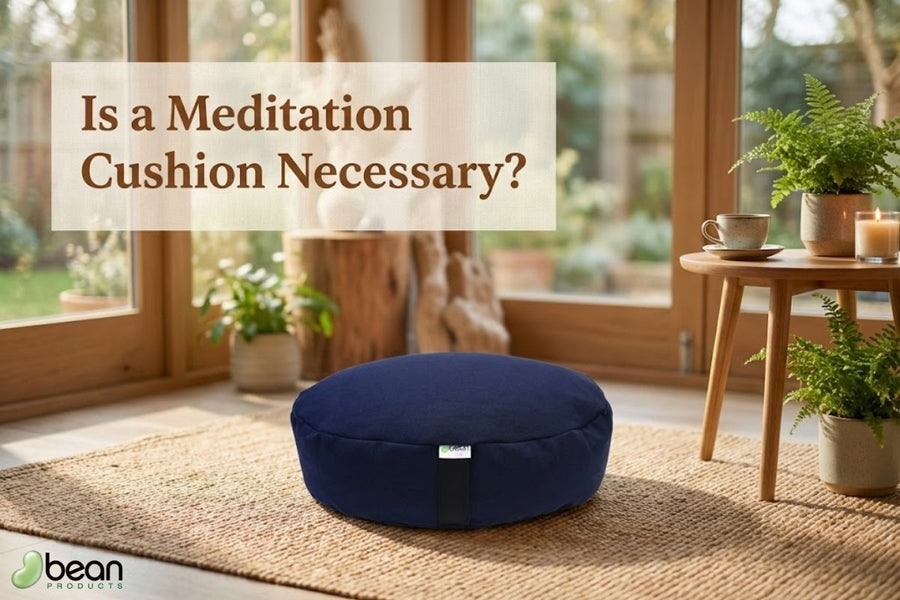
A Round Zafu has a circular design. It provides even support beneath your hips. Many people choose it for traditional meditation.
A Crescent Zafu has curved sides. This design creates more space for your thighs and knees. Many beginners find it more comfortable.
The best choice depends on your body, flexibility, and preferred meditation posture.
Round Zafu
A Round Zafu offers balanced support across the sitting surface. It is often preferred by meditators who enjoy traditional sitting positions.
A Round Zafu offers:
- Even weight distribution.
- Stable sitting support.
- Balanced hip positioning.
- Comfortable upright posture.
- A traditional meditation experience.
Its symmetrical shape allows you to shift positions easily during practice.
Crescent Zafu
A Crescent Zafu features a curved front edge. This creates additional room for your legs. Many people feel less restricted while sitting.
A Crescent Zafu offers:
- Extra space for your thighs.
- Better support for tighter hips.
- Improved leg positioning.
- Greater comfort for beginners.
- An ergonomic sitting experience.
The curved shape also helps many people maintain a relaxed sitting posture.
How Does Each Shape Support Your Body?

Both Zafu styles support meditation well. However, they support the body in different ways. Understanding these differences makes choosing much easier.
How a Round Zafu Supports Your Body
A Round Zafu supports your hips evenly from every direction. This balanced support encourages an upright posture. It also creates a stable sitting position.
A Round Zafu may help you:
- Maintain natural spinal alignment.
- Balance your body weight.
- Sit comfortably during traditional meditation.
- Feel steady while changing positions.
- Support longer meditation sessions.
Many experienced meditators appreciate its classic design.
How a Crescent Zafu Supports Your Body
A Crescent Zafu changes how your legs rest during meditation. Its curved shape creates more open space beneath your thighs. This often reduces tension around the hips.
A Crescent Zafu may help you:
- Open your hips more naturally.
- Reduce pressure on your knees.
- Create extra leg room.
- Improve comfort while cross-legged.
- Feel relaxed during longer sessions.
Many beginners choose this shape because it feels easier from the first session.
Round vs. Crescent Zafu Comparison
|
Feature |
Round Zafu |
Crescent Zafu |
|
Hip Support |
Excellent |
Excellent |
|
Leg Room |
Good |
Excellent |
|
Beginner Friendly |
Good |
Excellent |
|
Traditional Meditation |
Excellent |
Good |
|
Tight Hips |
Good |
Excellent |
|
Cross-Legged Comfort |
Good |
Excellent |
Which Zafu Is Better for Different Meditation Styles?
Your meditation posture affects which Zafu feels most comfortable. Both shapes provide good support, but each works better for certain sitting styles.
Burmese Position
The Burmese position keeps both legs relaxed on the floor. It is popular with beginners and daily meditators.
A Crescent Zafu is often the better choice because it:
- Creates more space for your legs.
- Reduces pressure on your hips.
- Supports a relaxed sitting position.
- Makes longer sessions more comfortable.
A Round Zafu also works well if you already feel comfortable in this posture.
Half Lotus
Half Lotus places one foot on the opposite thigh. This posture needs moderate flexibility. Many meditators choose a Round Zafu because it provides balanced support beneath the hips.
Its benefits include:
- Stable sitting position.
- Even weight distribution.
- Better balance.
- Comfortable spinal alignment.
Full Lotus
Full Lotus requires excellent flexibility. It places both feet on opposite thighs. A Round Zafu is the traditional choice for this posture.
It helps you:
- Maintain steady balance.
- Sit upright comfortably.
- Support your hips evenly.
- Stay stable during meditation.
Many experienced meditators continue to use this shape in their daily practice.
Cross-Legged Sitting
Cross-legged meditation is one of the most common positions. A Crescent Zafu often feels more comfortable because its curved shape creates extra room for your legs.
Many people notice:
- Better hip comfort.
- Less knee pressure.
- Improved sitting posture.
- Easier body alignment.
Daily Meditation Practice
If you meditate every day, comfort becomes more important than tradition. Choose the shape that allows you to sit comfortably without frequent adjustments.
The best daily meditation cushion should:
- Support your natural posture.
- Feel stable throughout your session.
- Reduce unnecessary body strain.
- Encourage consistent practice.
Which Zafu Shape Is Better for Beginners?
Many beginners are unsure which shape to choose. A Crescent Zafu is often easier for people starting meditation. Its curved design gives the legs more room and reduces tension around the hips.
A Crescent Zafu may be a good choice if you:
- Have limited flexibility.
- Sit cross-legged.
- Want extra leg room.
- Need additional hip support.
- Prefer a more relaxed sitting position.
A Round Zafu is also suitable for beginners. It offers balanced support and works well with traditional meditation styles. There is no wrong choice. The best Zafu is the one that feels comfortable for your body.
Which Zafu Shape Is Better for Tight Hips?
Tight hips are common, especially when beginning meditation. The right Zafu shape can reduce strain and help you sit more naturally. Many people with tighter hips prefer a Crescent Zafu because it:
- Creates extra space for the thighs.
- Opens the hips more comfortably.
- Reduces pressure on the knees.
- Encourages better posture.
- Makes sitting feel less restrictive.
A Round Zafu can still work well if your flexibility improves over time. Comfort should always guide your decision.
Can Body Type Affect Your Choice?
Yes. Your body type plays an important role when choosing a Zafu. Height, flexibility, leg length, and sitting habits all influence comfort. Consider these factors before deciding.
Height
Your height affects how your hips and knees align. Taller people often benefit from extra support. Shorter people may feel comfortable with a standard-height cushion.
Leg Length
Longer legs usually need more room during meditation. Many people with longer legs prefer a Crescent Zafu because of its curved design.
Flexibility
Flexible meditators often enjoy either shape. People with tighter hips frequently prefer the added space of a Crescent Zafu.
Sitting Habits
Think about how you meditate most often. If you enjoy traditional postures, a Round Zafu may suit you well. If you prefer relaxed cross-legged sitting, a Crescent Zafu may feel more comfortable.
If you are also deciding on cushion height, read Which Zafu Size Do You Need Based on Height and Flexibility?
Common Mistakes When Choosing a Zafu Shape

Many people choose a Zafu without thinking about comfort. A few simple mistakes can affect your meditation experience.
Avoid these common mistakes:
- Choosing shape based only on appearance.
- Copying another person's meditation setup.
- Ignoring your flexibility and body type.
- Buying without considering your sitting posture.
- Assuming one shape fits every meditator.
- Focusing only on price instead of support.
- Choosing comfort for short sessions only.
- Forgetting your future meditation goals.
- Selecting a cushion without adjustable filling.
- Skipping research before making your purchase.
Why Bean Products Round Zafus Support Daily Meditation

Bean Products focuses on the traditional Round Zafu because it provides dependable support for many meditation styles. Its balanced design helps promote good posture and lasting comfort. Each Round Zafu is thoughtfully crafted for regular meditation practice.
Bean Products Round Zafus feature:
- Adjustable buckwheat hull filling.
- Natural cotton and hemp fabric options.
- Durable handcrafted construction.
- Removable covers for easy cleaning.
- Matching Zabutons for added comfort.
- Meditation benches for kneeling practice.
- Long-lasting support for daily use.
The adjustable filling lets you customize the height and firmness. This helps you create a comfortable sitting position as your practice develops.
Whether you are new to meditation or have years of experience, a well-made Round Zafu can provide reliable support for consistent practice.
Find the Right Meditation Support for Your Practice
Both Round and Crescent Zafus can support healthy meditation posture. The best choice depends on your body, flexibility, and preferred sitting style.
If you prefer the traditional support of a Round Zafu, explore the Bean Products Meditation Collection. You'll also find matching Zabutons, meditation benches, and other meditation essentials designed for lasting comfort and daily practice.
This version accurately reflects Bean Products' product lineup while maintaining trust and avoiding misleading product claims.
Buy Meditation Collection Now!
People Also Ask (FAQs)
Is a Round Zafu good for beginners?
Yes. A Round Zafu works well for beginners. It provides balanced support and encourages proper sitting posture.
Does Zafu shape affect meditation posture?
Yes. The shape affects how your hips and legs are supported. The right shape helps you maintain a comfortable, upright posture.
Can I use a Round Zafu for every meditation style?
A Round Zafu supports many meditation positions, including Burmese, Half Lotus, Full Lotus, and cross-legged sitting.
Can I change from a Crescent Zafu to a Round Zafu?
Yes. Many meditators try different cushion shapes over time. Choose the one that feels most comfortable for your body and practice.
Does the filling matter more than the Zafu shape?
Both are important. The shape affects body position, while the filling affects height, firmness, and overall support.
How do I know if my Zafu supports my body correctly?
Your hips should sit slightly above your knees. You should also feel stable, comfortable, and able to maintain good posture without strain.
